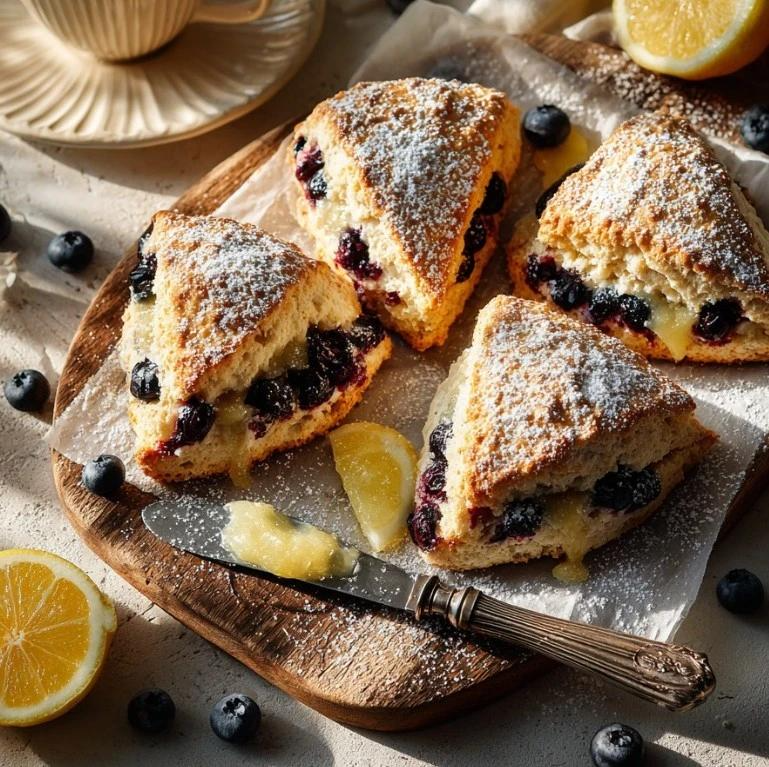
One dough, endless directions, and a Sunday morning that suddenly feels a lot more special.
I started with a basic scone recipe years ago and realized how easy it is to turn the same base dough into completely different flavors just by swapping what gets folded in. This blueberry version is the one I make most often, but once you’ve got the technique down, the other varieties practically make themselves.
Buttery, slightly crumbly, with pockets of juicy blueberries in every bite. This is the scone that made me actually enjoy baking on a weekend morning.
Let’s get started.
What You’ll Need
- 2 cups all purpose flour
- ⅓ cup granulated sugar
- 1 tbsp baking powder
- ½ tsp salt
- ½ cup cold butter, cubed
- 1 cup fresh or frozen blueberries
- ¾ cup heavy cream, plus extra for brushing
- 1 large egg
- 1 tsp vanilla extract
- Coarse sugar, for topping
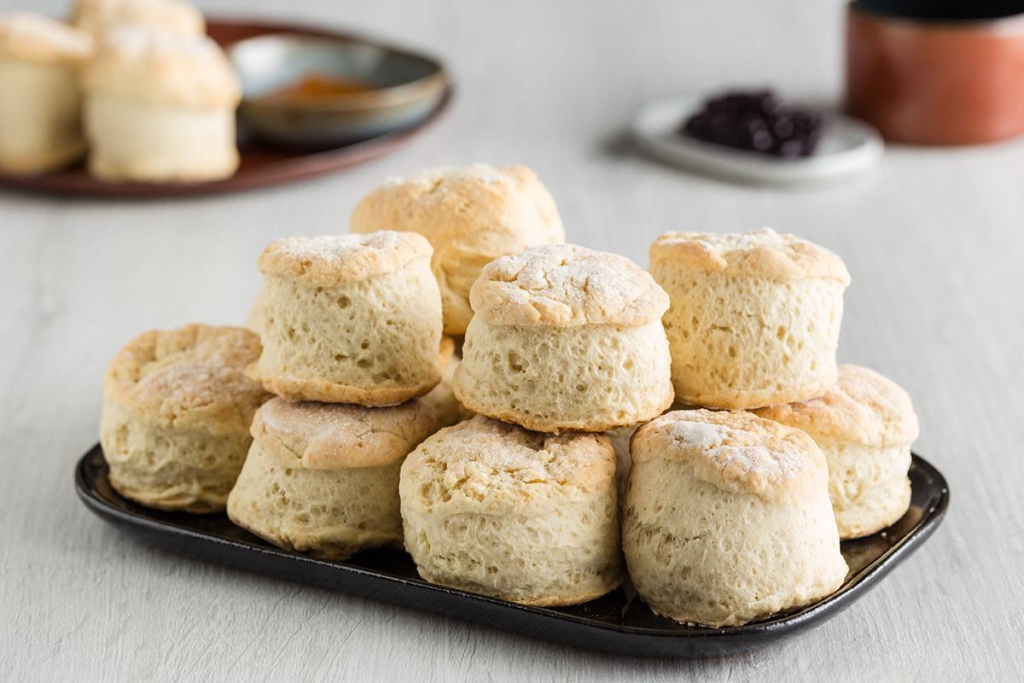
A simple base dough that becomes the starting point for nearly any scone flavor.
Tools You’ll Need
- Mixing bowls
- Pastry cutter or fork
- Baking sheet
- Parchment paper
- Sharp knife or bench scraper
- Pastry brush
Pro Tips
I’ve made this base dough enough times to know exactly what makes it turn out right.
1. Keep your butter and cream cold. Cold fat is what creates flaky layers in the finished scone. If your butter softens while working, chill the bowl for a few minutes before continuing.
2. Don’t overwork the dough. Mix just until it comes together. Overworking develops the gluten too much and leads to tough, dense scones instead of light and crumbly ones.
3. Toss the blueberries in a little flour before folding them in. This helps prevent them from sinking to the bottom or bleeding too much color throughout the dough.
4. Cut the dough into wedges instead of using a round cutter. This is the classic scone shape, and it also means less scrap dough that needs rerolling.
5. Chill the shaped scones for 15 minutes before baking. This helps them hold their shape in the oven instead of spreading out too much.
How to Make Classic Blueberry Scones
Step 1: Mix the Dry Ingredients
Preheat your oven to 400°F. Line a baking sheet with parchment paper.
Whisk together the flour, sugar, baking powder, and salt in a large bowl.
Step 2: Cut in the Butter
Cut the cold butter into the flour mixture using a pastry cutter or fork, until the mixture resembles coarse crumbs.
Step 3: Add the Blueberries
Toss the blueberries with a bit of the flour mixture, then fold them into the dough.
Step 4: Combine the Wet Ingredients
Whisk together the heavy cream, egg, and vanilla extract.
Add to the dry ingredients, stirring just until the dough comes together.
Step 5: Shape and Chill
Turn the dough onto a floured surface and pat into a circle about 1 inch thick.
Cut into 8 wedges and place on the prepared baking sheet.
Chill for 15 minutes.
Step 6: Bake
Brush the tops with a little extra cream and sprinkle with coarse sugar.
Bake for 18 to 20 minutes, until golden brown.
Substitutions and Variations
- Chocolate chip scones: Swap the blueberries for ¾ cup chocolate chips.
- Lemon glaze scones: Omit the blueberries, add 1 tablespoon lemon zest to the dough, and drizzle with a glaze made from powdered sugar and lemon juice once cooled.
- Cranberry orange scones: Swap blueberries for dried cranberries and add 1 tablespoon orange zest to the dough.
- Cheddar herb scones: Omit the sugar and blueberries, and fold in 1 cup shredded cheddar and 2 tablespoons chopped fresh herbs for a savory version.
- Maple pecan scones: Swap blueberries for ½ cup chopped pecans, and drizzle with a maple glaze after baking.
Make Ahead Tips
The dough can be shaped into wedges and frozen unbaked for up to 2 months. Bake straight from frozen, adding a few extra minutes to the bake time.
You can also mix the dry ingredients ahead of time and store them at room temperature, adding the cold butter and wet ingredients when you’re ready to bake.
Nutritional Breakdown (Per Scone, Makes 8 scones)
| Nutrient | Amount |
|---|---|
| Calories | 280 |
| Fat | 14g |
| Carbs | 34g |
| Sugar | 12g |
| Protein | 4g |
Numbers will shift depending on the specific variation and toppings used.
Diet Friendly Swaps
- Gluten free: Use a 1:1 gluten free flour blend in place of all purpose flour.
- Dairy free: Use a dairy free butter and a plant based heavy cream alternative.
- Lower sugar: Reduce the granulated sugar slightly and skip the coarse sugar topping.
Meal Pairing Suggestions
Serve alongside a cup of coffee or tea for a classic breakfast or afternoon treat.
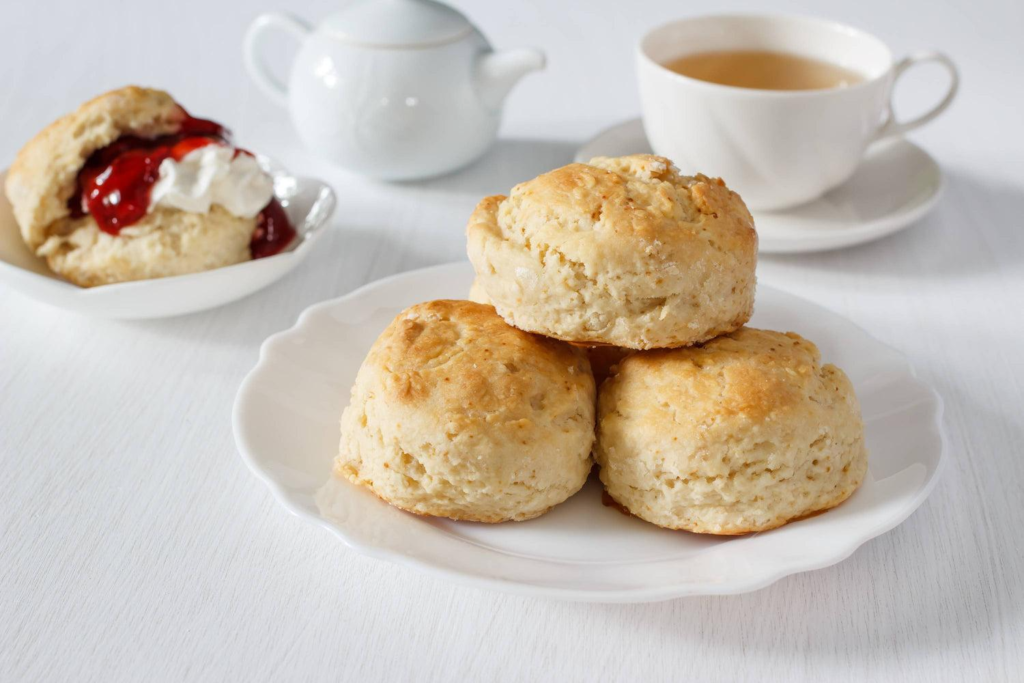
These also pair nicely with a bit of clotted cream or butter and jam for a more traditional presentation.
Cooking Time Efficiency Tips
Cube the butter and place it in the freezer for a few minutes before starting, so it’s extra cold and ready to cut into the flour quickly.
Make a double batch of the base dough and freeze half unbaked, so a future batch of scones just needs a trip straight to the oven.
Leftovers and Storage
Store baked scones in an airtight container at room temperature for up to 2 days, or in the fridge for up to 5 days.
These freeze well too, either baked or unbaked. Wrap tightly and freeze for up to 2 months.
FAQ
Why did my scones turn out dense instead of flaky? This usually means the dough was overworked, or the butter wasn’t cold enough when it was cut into the flour.
Can I use frozen blueberries instead of fresh? Yes, just don’t thaw them first, since frozen berries added straight from the freezer are less likely to bleed color throughout the dough.
Can I make different flavors from the same base recipe? Yes, this base dough works well for nearly any mix in, whether sweet or savory, as long as you adjust the sugar accordingly for savory versions.
Why do I need to chill the scones before baking? Chilling helps the butter firm back up after handling, which helps the scones hold their shape and bake up flakier.
Can I make mini scones instead of full sized ones? Yes, simply cut the dough into smaller wedges and reduce the bake time by a few minutes.
Wrapping Up
Once you master this base scone dough, you’ll never be short on options for what to bake next.
Blueberry is where I started, but the same technique opens the door to chocolate chip, lemon glaze, cheddar herb, and everything in between.
Try this recipe, then come back and tell me how it turned out. Which variety did you make? Did you try the cheddar herb version? Drop a comment below, I’d love to hear about it. 🫐