You take one sip and your whole body just… lets go. That’s the only way I know how to describe a really good ramen broth.
I’ve had ramen at restaurants, made it from packets at midnight, and gone down enough YouTube rabbit holes about Japanese soup culture to embarrass myself. And after all of that, spicy miso ramen is the one I keep coming back to.
It’s rich. It’s savory. It has this deep, warming heat that doesn’t knock you out — it just pulls you in.
Here’s the part most people don’t realize: a genuinely great bowl of miso ramen doesn’t need a 12-hour pork bone broth or a two-day process. This one comes together in about 35 minutes on a regular Tuesday night and tastes like something you’d pay $18 for.
Oh, and fun fact — Japan has over 10,000 dedicated ramen shops, and some of them serve literally one item. No sides. No variations. Just that one bowl, perfected over decades. That’s the level of love that goes into this dish.
Now let’s bring that energy into your kitchen.
What You’ll Need
For the Broth
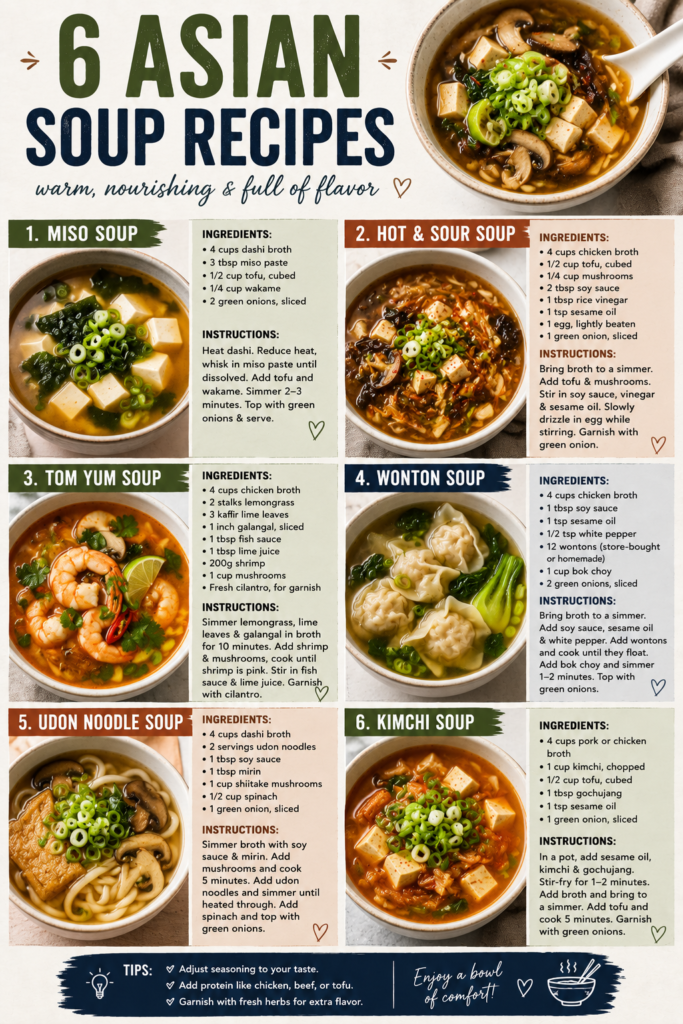
- 6 cups low-sodium chicken broth (or vegetable broth)
- 2 cups water
- 3 tablespoons white miso paste
- 2 tablespoons low-sodium soy sauce
- 1 tablespoon toasted sesame oil
- 1 tablespoon chili garlic sauce (Sambal Oelek works great)
- 4 cloves garlic, minced
- 1 tablespoon fresh ginger, grated
- 1 tablespoon rice vinegar
For the Marinated Soft-Boiled Eggs (Shoyu Tamago)
- 4 large eggs
- 3 tablespoons soy sauce
- 1 tablespoon mirin
- 1 cup water
For Assembly
- 4 portions fresh or dried ramen noodles
- 2 cups baby bok choy, halved
- 1 cup corn kernels (canned or frozen, totally fine)
- 4 green onions, thinly sliced
- 4 teaspoons unsalted butter
- 4 sheets nori (dried seaweed)
- 1 tablespoon sesame seeds
- Chili oil, to drizzle
- Optional protein: 500g thinly sliced pork belly or poached chicken breast
Tools You’ll Need
- Large pot or Dutch oven
- Medium saucepan (for noodles and eggs)
- Fine mesh strainer
- Ladle
- Deep serving bowls
- Small bowl or zip-lock bag (for marinating eggs)
- Tongs
Pro Tips
These are the things I wish I’d known the first few times I made this.
- Never boil the miso. High heat kills the flavor and kills the probiotic benefits. Add it after the broth is already warm, whisk it in separately, and keep the heat low after that point.
- Add butter to the bowl, not the pot. Drop a small pat of unsalted butter right into each serving bowl before ladling in the hot broth. It melts in and gives the soup this silky, restaurant-level richness that you’ll notice immediately.
- Marinate the eggs overnight if you can. Even 20 minutes helps. But overnight? They turn this deep caramel brown all the way through, and the flavor is completely different from a plain soft-boiled egg. It’s a little shocking how good they are.
- Cook noodles separately — always. If you cook ramen noodles directly in the broth, they absorb everything and the soup gets starchy and thick. Cook them in a separate pot, rinse with cold water to stop cooking, then add to the bowl right before serving.
- Taste and adjust before you serve. Every miso paste is different — some are saltier, some are sweeter. Taste your broth and keep going until it hits the way you want it to. Don’t just follow the measurements blindly.
Substitutions and Variations
One of the things I love most about ramen is how forgiving it is. Here’s how to make it work for whatever you have on hand.
Noodles:
- Ramen noodles (fresh or dried) are ideal
- Rice noodles for a gluten-free version
- Soba noodles for a nuttier, earthier flavor
- Even spaghetti works in a pinch — nobody’s judging
Protein:
- Pork belly: classic, rich, the real thing
- Rotisserie chicken: fast and still incredibly good
- Pan-fried tofu: gets crispy edges that hold up in the broth
- Shrimp: lighter option that cooks in 3 minutes
Broth:
- Swap chicken broth for vegetable broth to keep it fully vegetarian
- Add a strip of kombu (dried kelp) while heating the broth for extra umami depth without any additional salt
Miso type:
| Type | Flavor Profile | Best For |
|---|---|---|
| White miso (shiro) | Mild, slightly sweet | Lighter, everyday bowls |
| Red miso (aka) | Bold, salty, intense | Deep, wintery flavors |
| Mixed (both) | Balanced | This recipe exactly |
Heat level:
- No heat at all: skip the chili garlic sauce and chili oil
- Medium heat: keep the recipe as written
- A lot of heat: add gochujang paste or extra chili oil right before serving
Make Ahead Tips
This recipe is actually built for meal prep.
Broth: Make 2-3 days ahead and store in an airtight container in the fridge. The flavors deepen as it sits — day two broth is genuinely better.
Marinated eggs: Ready up to 4 days in advance. Leave them in the marinade and pull them out as needed.
Toppings: Slice your green onions, halve your bok choy, and portion your corn ahead of time. When dinner rolls around, it comes together in under 10 minutes.
How to Make Spicy Miso Ramen
Step 1: Marinate the Eggs
Bring a medium pot of water to a boil. Lower the eggs in gently and cook for exactly 7 minutes for that jammy, slightly runny yolk.
Transfer immediately to a bowl of ice water. Let sit for 5 minutes, then peel.
Mix 3 tablespoons soy sauce, 1 tablespoon mirin, and 1 cup water in a bowl or zip-lock bag. Add peeled eggs and marinate for at least 20 minutes, or overnight in the fridge.
Step 2: Build the Broth
In a large pot or Dutch oven, heat a small splash of neutral oil over medium heat. Add minced garlic and grated ginger and cook for about 60 seconds, just until fragrant.
Add the broth, water, soy sauce, chili garlic sauce, and rice vinegar. Stir to combine. Bring to a gentle simmer — not a full boil.
Reduce the heat to low. In a small bowl, ladle out a bit of the warm broth and whisk in the miso paste until fully dissolved. Pour it back into the pot and stir. Keep the heat low from this point forward and don’t let it boil.
Stir in the sesame oil. Taste and adjust — more miso for depth, more soy sauce for salt, more chili garlic sauce for heat.
Step 3: Prep Your Toppings
Using tongs, lower the bok choy into the simmering broth and cook for 1-2 minutes until just tender. Remove and set aside.
Cook ramen noodles in a separate pot of boiling water according to package instructions. Drain and rinse under cold water to stop cooking.
Slice your marinated eggs in half lengthwise right before serving.
Step 4: Assemble
Place a portion of noodles in the bottom of each bowl. Add 1 teaspoon of butter directly into the bowl. Ladle the hot broth over the noodles and watch the butter melt in.
Arrange your toppings: bok choy, corn, sliced green onions, nori sheet, and two egg halves. Sprinkle sesame seeds on top and finish with a drizzle of chili oil.
Serve right away.
Nutritional Breakdown
| Per Serving (approx.) | Amount |
|---|---|
| Calories | ~480 kcal |
| Protein | 24g |
| Carbohydrates | 52g |
| Fat | 18g |
| Sodium | ~1,150mg |
| Fiber | 4g |
Diet swaps:
- Gluten-free: Use rice noodles + tamari instead of soy sauce + check your miso label
- Vegan: Vegetable broth, tofu, skip the eggs, and use vegan butter
- Low-carb: Swap noodles for zucchini noodles or shirataki noodles
Meal pairings:
- Pan-fried gyoza on the side
- Simple cucumber salad with rice vinegar and sesame
- Steamed jasmine rice to soak up extra broth (yes, really)
Cooking time tips:
- Marinate eggs the night before and morning prep becomes zero
- Use pre-minced garlic and ginger from a jar on busy nights — no shame in it
- Rotisserie chicken cuts protein prep to about 2 minutes flat
Leftovers and Storage
Broth: Keeps in the fridge for up to 4 days or in the freezer for up to 3 months. It actually gets richer as it sits.
Noodles: Store completely separately from the broth. Together, they get mushy fast. Keep them in their own container.
Toppings: Add fresh each time. Green onions, eggs, and bok choy all hold up well when stored separately.
Reheating: Warm the broth on the stovetop over medium-low heat. Cook or microwave your noodles separately, assemble the bowl fresh, and it tastes almost identical to day one.
FAQ
Can I use instant ramen noodles?
Yes, and it works really well. Grab the noodles, discard the flavor packets entirely, and use them with this broth. The texture is actually great.
What’s the difference between white and red miso?
White miso is fermented for less time so it’s milder and a little sweet. Red miso is stronger, saltier, and more intense. Either works here, or use a blend of both for a more balanced flavor.
My broth tastes flat. How do I fix it?
Add more miso paste, a bit more soy sauce, or a few drops of fish sauce for depth. A splash more rice vinegar also brightens everything up. Just go slowly and taste as you go.
Do I need a Dutch oven?
Not at all. Any large pot works. A Dutch oven just holds heat better, which makes the simmer more even.
How spicy is this?
With 1 tablespoon of chili garlic sauce, it’s noticeable but not aggressive. Scale it up or down freely.
Is this kid-friendly?
Skip the chili garlic sauce and chili oil and you have a mild, savory miso broth that kids tend to actually love. Add the corn and soft egg and it’s a full meal.
Wrapping Up
This spicy miso ramen is the kind of meal that makes a regular weeknight feel like something worth sitting down for.
The broth takes 15 minutes. The toppings come together fast. And the whole bowl feels like way more effort than it actually was — which is my favorite kind of cooking.
Make it this week and see what you think. Then come back and leave a comment below. Tell me what you changed, what topping combination you landed on, or how it went. Questions are always welcome too.
I want to hear all of it.