Miso soup is one of those dishes that seems deceptively simple. Just broth, miso paste, tofu, and seaweed. But get the proportions wrong or boil the miso, and you end up with something bitter or flat. Get it right, and you have a soup that’s deeply savory, warming, and surprisingly satisfying for how light it is.
This version keeps things straightforward. No hard-to-find ingredients. No lengthy process. Just a clean, umami-rich soup that you can make in about 15 minutes.
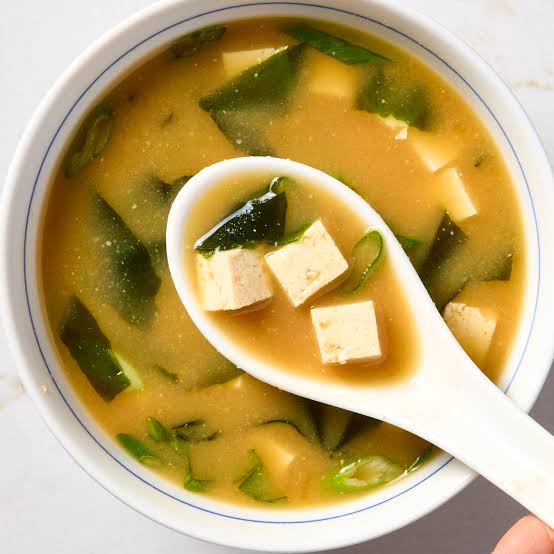
What You’ll Need
For the Soup:
- 4 cups water
- 1 (4-inch) piece kombu (dried kelp)
- ½ cup bonito flakes (or use shiitake mushrooms for vegetarian)
- 3 tablespoons white or red miso paste (white is milder, red is stronger)
- 8 oz silken tofu, cut into small cubes
- 2 green onions, sliced thin
- ¼ cup wakame seaweed, dried (rehydrates in the soup)
- 1 teaspoon soy sauce (optional, for extra depth)
- 1 teaspoon mirin (optional, for slight sweetness)
For Serving:
- Sesame seeds (optional)
- Extra sliced green onions
Tools:
- Medium saucepan
- Fine-mesh strainer
- Small bowl
- Whisk or spoon
- Chef’s knife
- Cutting board
- Measuring cups and spoons
- Ladle
Making Dashi (The Broth)
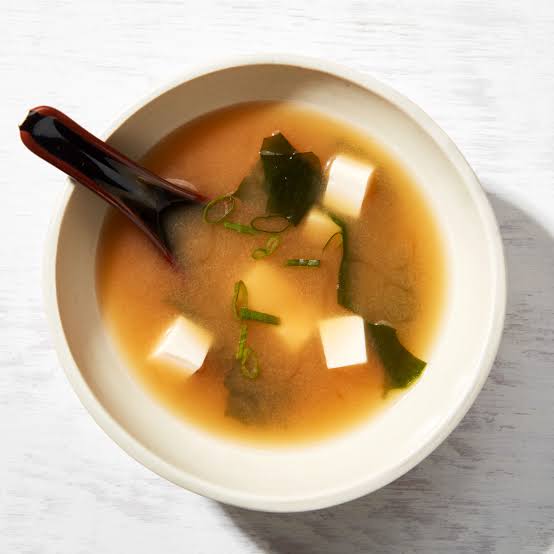
Pour the water into your saucepan. Add the kombu.
Bring the water to a gentle simmer over medium heat. Just before it reaches a full boil, remove the kombu. If you let it boil, the broth can become slimy and bitter.
Add the bonito flakes. Let them steep for about 3-4 minutes without stirring. They’ll sink to the bottom as they steep.
Strain the broth through a fine-mesh strainer into a bowl or another pot. Discard the bonito flakes.
You now have dashi—the foundation of miso soup and many Japanese dishes.
If you’re making a vegetarian version, skip the bonito flakes and add 2-3 dried shiitake mushrooms to the water with the kombu. Let them simmer for 10 minutes, then remove both the kombu and mushrooms before proceeding.
Adding Miso
Return the dashi to the saucepan over low heat. Do not let it boil from this point forward. Boiling kills the beneficial probiotics in miso and can make it taste harsh.
Scoop the miso paste into a small bowl. Add a ladleful of the warm dashi to the bowl and whisk until the miso dissolves completely. This prevents lumps.
Pour the dissolved miso back into the saucepan. Stir gently to combine.
Add the soy sauce and mirin if using. These are optional but add a bit more complexity to the broth.
Adding Tofu, Seaweed, and Green Onions
Gently add the tofu cubes to the soup. Let them warm through for about 2 minutes. Don’t stir aggressively or the tofu will break apart.
Add the dried wakame seaweed. It will rehydrate almost instantly, expanding to about three times its dried size.
Stir in the sliced green onions. Reserve a few for garnish.
Taste the soup. If it needs more saltiness, add a touch more miso paste (dissolve it in a bit of broth first). If it tastes too strong, add a splash of water.
Serving
Ladle the soup into bowls, making sure each serving gets tofu, seaweed, and green onions.
Garnish with extra green onions and a sprinkle of sesame seeds if desired.
This makes 4 small servings or 2 larger ones. Miso soup is traditionally served in small portions as part of a larger meal, but there’s no rule against having a big bowl on its own.
Miso soup is best eaten fresh. The tofu and seaweed can get a bit waterlogged if left sitting too long. If you must store leftovers, keep them in the refrigerator for up to 2 days. Reheat gently over low heat—don’t let it boil.
You can also prepare the dashi ahead of time and store it separately. When you’re ready to eat, reheat the dashi, add the miso, tofu, seaweed, and green onions fresh.
If you want to make this more substantial, add cooked udon noodles, sliced mushrooms, or a soft-boiled egg. Some people like adding a drizzle of sesame oil at the end for richness.