A 5 year old has about 15 minutes to eat lunch, unpack a container they’ve never opened alone, and somehow still make it outside for recess.
That timeline changes everything about what actually belongs in a kindergarten lunchbox.
I learned this the hard way after packing a lunch that needed a knife, three separate containers, and patience my kid simply didn’t have time for. It came back almost untouched.
Once I switched to foods a 5 year old could open, eat, and finish fast, lunch stopped being a source of daily stress for both of us.
Here’s everything that actually works, plus a few safety details most parents don’t hear about until it’s too late.
What You’ll Need
For a well rounded kindergarten lunch rotation, keep these staples stocked:
- Whole grain crackers or bread
- String cheese or cheese cubes
- Deli turkey or ham
- Grapes, blueberries, or sliced strawberries
- Baby carrots or cucumber slices
- Yogurt tubes or pouches
- Hummus or nut-free dip
- Pretzels or whole grain snack crackers
- Applesauce pouches
- A small treat, like a cookie or fruit snacks
Keep a rotating stock of these on hand, and most lunches come together in under 5 minutes.
Tools You’ll Need
- Bento box with easy-open latches
- Small leak proof dip containers
- Insulated lunch bag
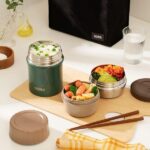
- Kid sized thermos
- Reusable ice packs
- Silicone muffin cups (great for portioning small snacks)
Pro Tips
After years of packing lunches for a kindergartner, here’s what genuinely made the biggest difference:
- Practice opening containers at home first. If your kid can’t open it without help, it’s not coming back empty. Test everything before the first day of school.
- Skip anything that needs a fork or knife. Most kindergartners eat with their hands far more successfully than utensils, especially under time pressure.
- Cut round foods lengthwise, not into circles. Grapes, cherry tomatoes, and hot dogs are actual choking hazards for young kids when cut into coin shapes. Slice them lengthwise instead.
- Pack less than you think you need. A shorter lunch period means less time to eat. Smaller portions with a backup snack later tend to work better than one overwhelming lunch.
- Include one familiar food every single day. Even adventurous eaters want something predictable when they’re navigating a new environment.
The Choking Hazard Most Parents Miss
Here’s something that surprised me the first time I heard it from my kid’s pediatrician.
Grapes are actually one of the leading choking hazards for young children, right up there with hot dogs.
The round, smooth shape can fully block a small airway, and kids this age often don’t chew thoroughly before swallowing.
The fix is simple. Always cut grapes, cherry tomatoes, and similar round foods lengthwise into quarters, not just in half.
It takes an extra 30 seconds and genuinely makes a real difference.
Easy-Open, No-Help-Needed Lunches
These need zero adult intervention once the lunchbox opens.
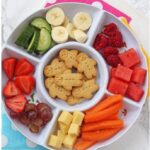
- Cheese cubes, crackers, and grapes (quartered), packed in separate compartments
- Turkey roll-ups with a side of pretzels and applesauce
- Sunbutter and jelly sandwich, cut into small squares
- Yogurt tube, string cheese, and berries
- Mini bagel with cream cheese, pre-spread and ready to eat
Bite-Sized Finger Foods
Small pieces mean less mess and faster eating.
- Chicken nugget bites (cooked, then cooled), with a side of ketchup in a dip container
- Mini meatballs, cooled and packed with a toothpick free serving
- Cheese and turkey pinwheels, sliced into small rounds
- Waffle squares with a small syrup dip cup
- Hard boiled egg, peeled and quartered ahead of time
Fun Shapes and Silly Presentations
A little creativity goes a long way at this age.
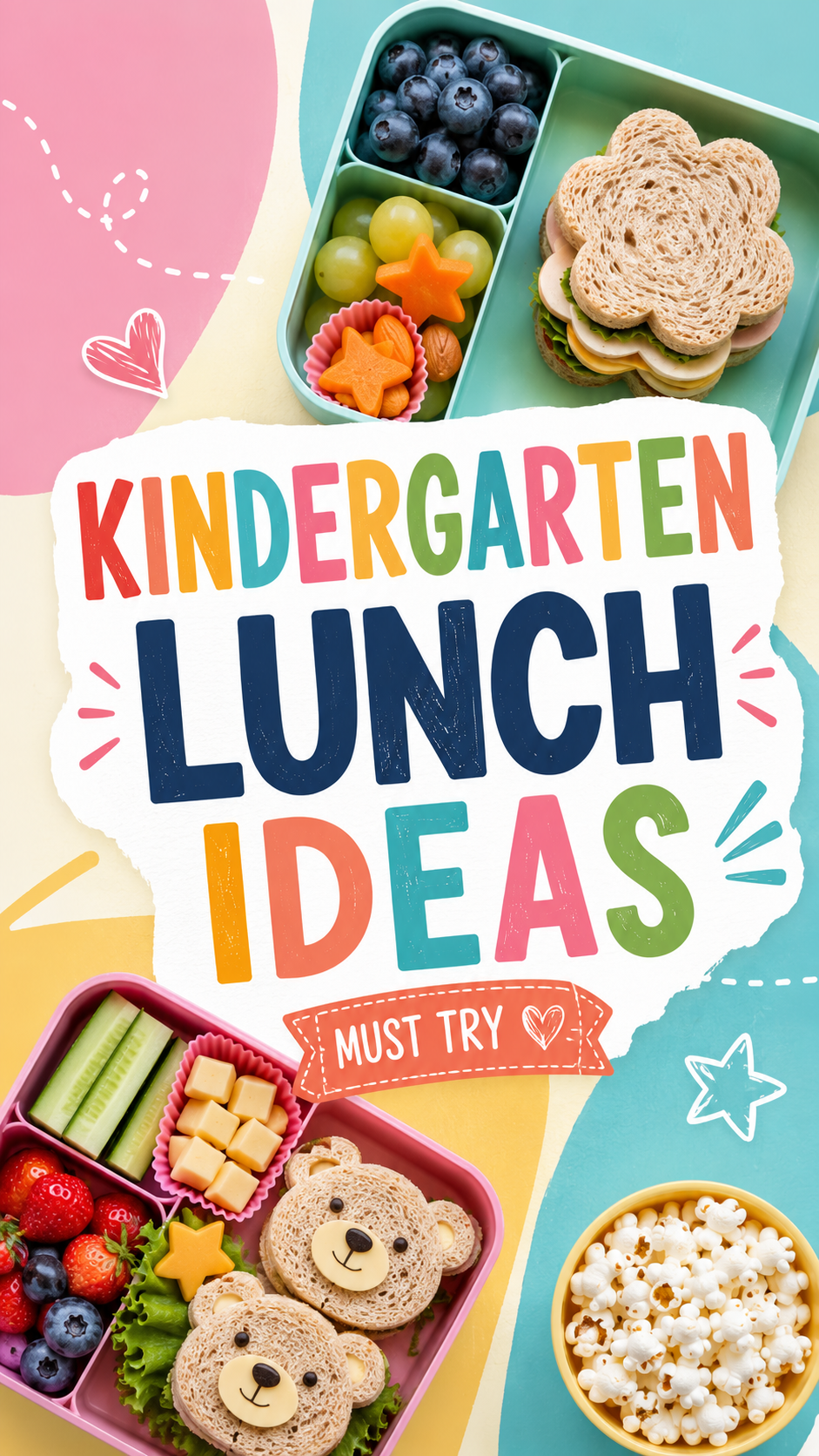
- Sandwich cut into shapes with a simple cookie cutter
- Fruit skewers on short, blunt reusable sticks
- Rice balls, shaped small and round, plain or with a bit of seasoning
- Mini pancakes, stacked with a toothpick-free dip cup of syrup
- Veggie faces, arranged with cucumber eyes and a carrot smile
Warm and Cozy Thermos Options
For kids who have access to a thermos at school.
- Mac and cheese, packed hot and ready to eat
- Buttered noodles, simple and almost always a hit
- Chicken and rice soup, kept warm until lunchtime
- Mini quesadilla bites, warm or cold, cut into small triangles
- Leftover pasta, reheated and packed straight into the thermos
Substitutions and Variations
Every kindergarten classroom has different rules, so here’s how to adjust:
| Original | Swap | Notes |
|---|---|---|
| Peanut butter | Sunflower seed butter | Standard swap for nut-free classrooms |
| Regular bread | Gluten-free bread | Toast lightly to hold texture |
| Dairy cheese | Dairy-free cheese shreds | Check school dairy-free policies too |
| Fruit snacks | Freeze-dried fruit | Less added sugar, still feels like a treat |
| Ranch dip | Hummus | Adds protein without added sugar |
Always double check your specific classroom’s allergy policy before packing anything new. Kindergarten classrooms are often nut-free by default.
Make Ahead Tips
Sunday prep saves the entire week for kindergarten lunches especially.
Wash and portion fruit into small containers for grab and go mornings. Quarter grapes and cherry tomatoes ahead of time so it’s one less thing to remember daily.
Pre-make and freeze sandwiches (minus lettuce or mayo) in batches. Pull one out the night before and it thaws perfectly by lunchtime.
Hard boil a dozen eggs at once and portion them for the week ahead.
Additional Details
Time saving tip: Pack lunch the night before, not the morning of. Mornings with a kindergartner rarely go as planned, and one less task makes a real difference.
Nutrition notes: Aim for one protein, one fruit or vegetable, one grain, and one dairy item per lunch. It doesn’t need to be complicated to be balanced.
Portion guidance: A kindergartner’s stomach is roughly the size of their fist. Smaller portions across a few different foods tend to get eaten more completely than one large portion of a single item.
What to Serve Alongside
Round out any lunch with these easy additions:
- A small water bottle with a straw lid, easier for young kids to manage
- A napkin, since most kindergartners still eat with their hands
- A small ice pack shaped like a favorite character for extra excitement
Leftovers and Storage
Store any prepped lunch components in airtight containers in the fridge for up to 3 to 4 days.
Cut fruit stays freshest stored in a container lined with a paper towel to absorb extra moisture.
Frozen sandwiches and pre-portioned proteins keep well for several weeks. Just thaw in the fridge overnight before packing.
FAQ
How long does a typical kindergarten lunch period last?
Most kindergarten lunch periods run between 15 and 20 minutes, and that often includes time spent walking to and from the cafeteria. Fast, simple foods matter more at this age than a perfectly balanced spread.
What foods should I avoid packing for a kindergartner?
Whole grapes, whole cherry tomatoes, hard candy, popcorn, and whole nuts are common choking hazards for this age group. Cut round foods lengthwise and skip anything hard and small.
My kid barely eats their lunch. What should I do?
Try packing smaller portions of more variety instead of one big portion of one food. Many young kids eat a little of everything rather than a lot of any single item.
Should I pack a lunch my kid has never tried before?
Introduce new foods at home first, ideally alongside something familiar. Lunchtime at school isn’t the best environment for trying something brand new for the first time.
How do I know if my kid’s classroom is nut-free?
Check with the teacher directly at the start of the school year. Policies vary by classroom and district, and it changes what’s safe to pack.
Wrapping Up
Kindergarten lunches don’t need to be complicated to actually get eaten.
Simple, bite sized, and easy to open on their own goes a lot further than anything elaborate or picture perfect.
Try a few of these ideas this week and let me know in the comments which ones became a hit at your house.
And if you’ve found a lunch combo that works like magic for your kindergartner, share it below. I’m always adding new ideas to my rotation.